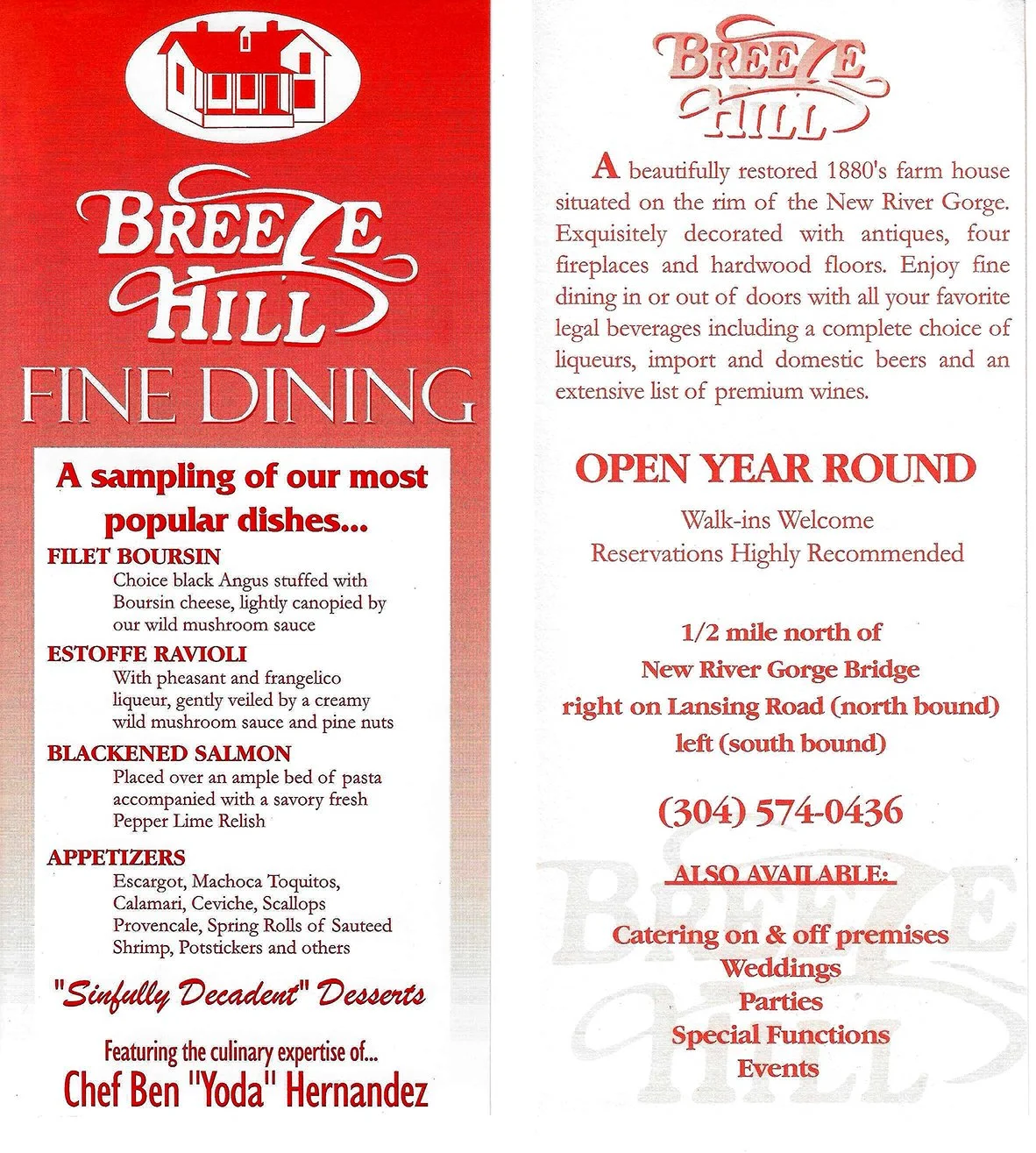
At first glance, this piece reads as a simple promotional card. Bold reds, ornamental script, and carefully structured copy evoke a time when fine dining was not just about the meal, but the occasion. The design leans into a kind of earnest elegance, where abundance is listed, not implied, and experience is promised through detail.
But beneath its surface, the work becomes something more reflective. It captures a moment in cultural taste. A period where refinement was defined by richness, by variety, by the ability to offer everything at once. The language is confident, almost theatrical, presenting indulgence as both reward and identity.
There is also a quiet charm in its directness. Nothing is hidden. The dishes, the location, and the atmosphere are all laid out plainly, as if trust is built through transparency rather than mystique. It contrasts sharply with contemporary minimalism, where less is said, and more is suggested.
In this way, the piece functions as both artifact and commentary. It preserves a style of communication that feels increasingly distant, while reminding us of a time when luxury was expressed through fullness rather than restraint.